Powering Sustainable Tea With Clean Biomass Energy
The Green Tea Project is transforming the tea value chain by introducing affordable, efficient and environmentally responsible energy solutions.
Our Partners

Project Objectives
The Greener Tea Project is a lighthouse demonstration delivering clean, reliable energy to Kenya’s tea sector. By converting agricultural residues into low-carbon heat and power, it supports sustainable production while creating value from waste.
-
Decarbonise tea processing
Replace fuelwood and fossil fuels with clean, reliable biomass energy.
-
Unlock value from waste
Convert agricultural residues into energy and biochar for circular use.
-
Demonstrate a scalable model
Prove a solution that can be replicated across tea and agri-processing sectors.
-
Deliver local impact
Create jobs, build skills and support inclusive participation.
Compact Syngas Solutions (CSS)
CSS is the technical lead for the Greener Tea Project, responsible for the design, build and deployment of the MicroHub biomass energy system. CSS specialises in modular, containerised gasification technology that converts agricultural residues into clean heat, power and carbon-negative products.
With a focus on decentralised energy solutions, CSS is developing scalable systems to support industrial decarbonisation across agriculture and other sectors in emerging markets.
-
5.6m
-
2020
-
Deeside, North Wales, UK
-
Biomass gasification, clean energy, circular systems
Consortium Partners
The Greener Tea Project is delivered through a consortium of international and in-country partners, combining technical expertise, local implementation, research, GEDSI and stakeholder engagement to ensure successful delivery and long-term impact.

Compact Syngas Solutions
Compact Syngas Solutions (CSS) is the technical lead, delivering modular biomass energy systems that convert agricultural residues into clean, reliable heat and power for industrial use.

United Nations Industrial Development Organization
United Nations Industrial Development Organization (UNIDO) supports the project through its Accelerate-to-Demonstrate (A2D) Facility, enabling the deployment and scale-up of innovative climate technologies in developing markets.

Browns Plantations Kenya
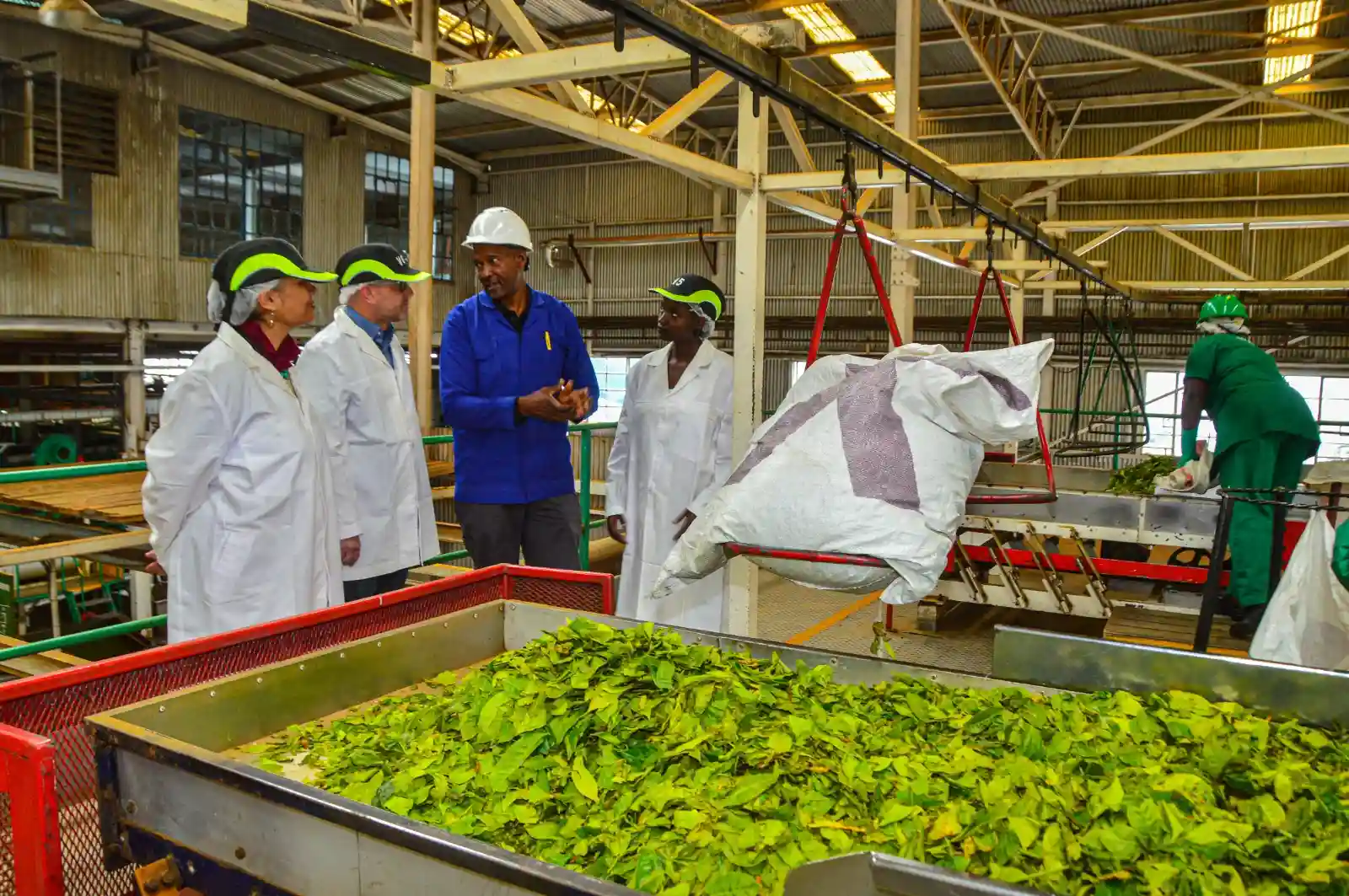
Browns Plantations Kenya (BPK) is the host site and end-user, supporting system deployment, feedstock supply and real-world validation within tea processing operations.
International Institute of Tropical Agriculture
IITA is the technical and research partner, supporting biomass assessment, biochar application and environmental validation within the project.

Supivaa Advisory Group
Supivaa Advisory Group supports stakeholder engagement and the integration of GEDSI considerations within the project.
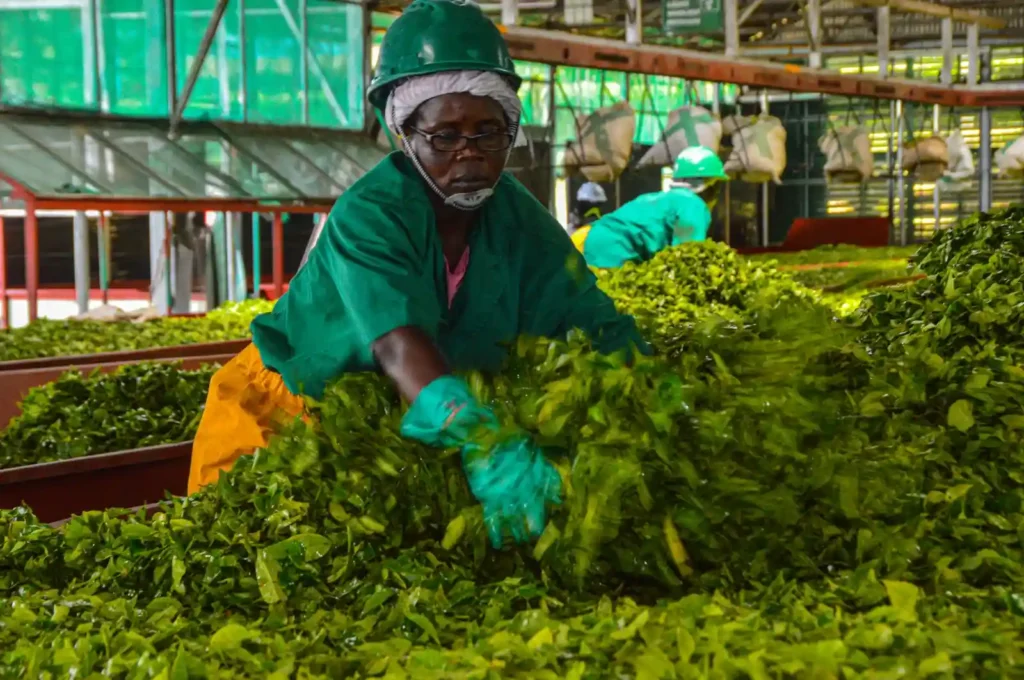
Case Studies
Real-world insights from the deployment of clean biomass energy in the tea sector.
Knowledge Products
This section shares insights and learning from the Greener Tea Project, highlighting how clean energy solutions can be applied in real-world industrial settings.
It brings together technical explainers, case studies and practical guidance to support understanding, replication and informed decision-making across sectors.
Our Impact In Numbers
Delivering a first-of-its-kind demonstration of how biomass gasification can decarbonise industrial energy systems in the tea sector.


500kW
Demonstration System - Operating a pilot-scale MicroHub gasifier using agricultural residues
8,000 Hours of Operation
Demonstrating reliable, continuous energy generation in a real-world setting
30% Emissions Reduction Target
Lowering the carbon intensity of tea production through clean energy and soil carbon improvements
New Green Jobs
Creating upto 50 skilled roles in biomass supply, operations and monitoring (with a focus on women and youth)
Circular Biomass Model
Using waste prunings, bamboo and residues to produce energy and biochar
Scaling to Multiple Sites
Building an investment and delivery model for replication across tea factories and beyond
This pilot is establishing the technical, commercial and social model for scaling low-carbon energy across agricultural industries.
Get the App
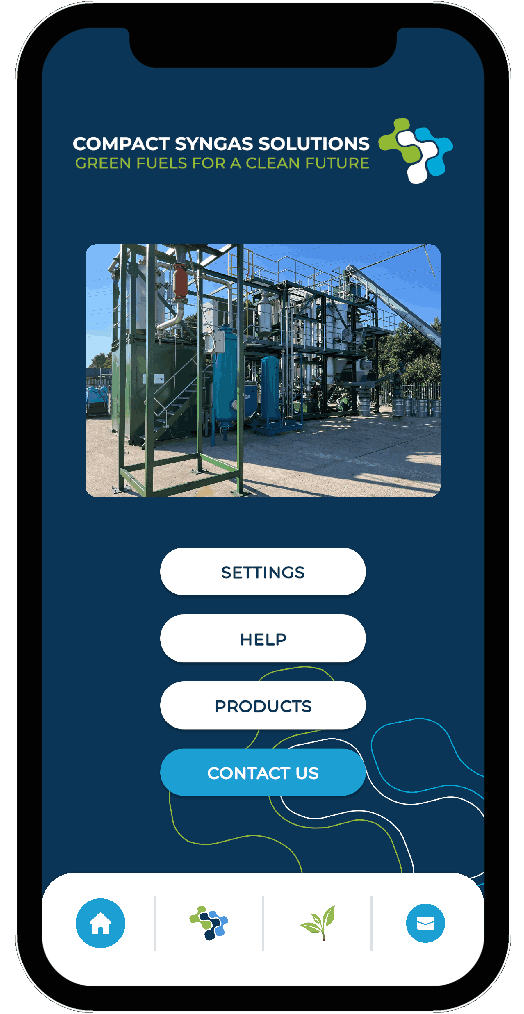
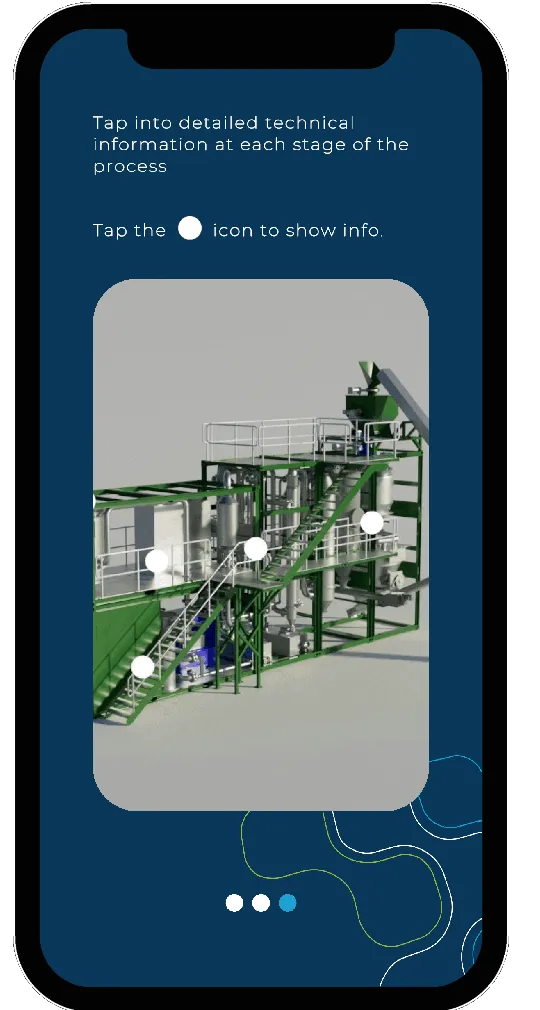
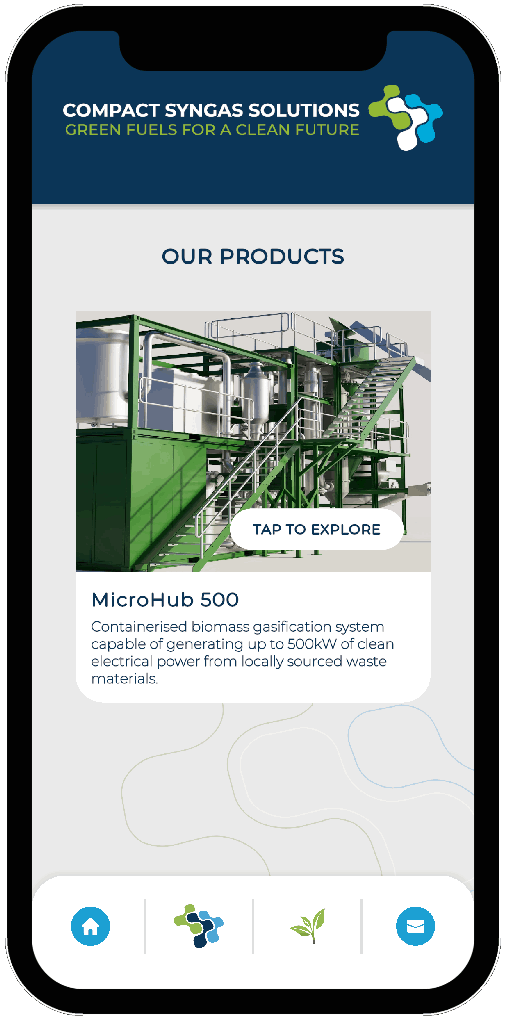
Step inside the MicroHub. Download the CSS app to explore our gasification technology through an interactive VR experience, access project insights and follow the Greener Tea Project as it progresses.
Click the links to download from the App Store or Google Play.